 Best Seller
Metabolic & Longevity
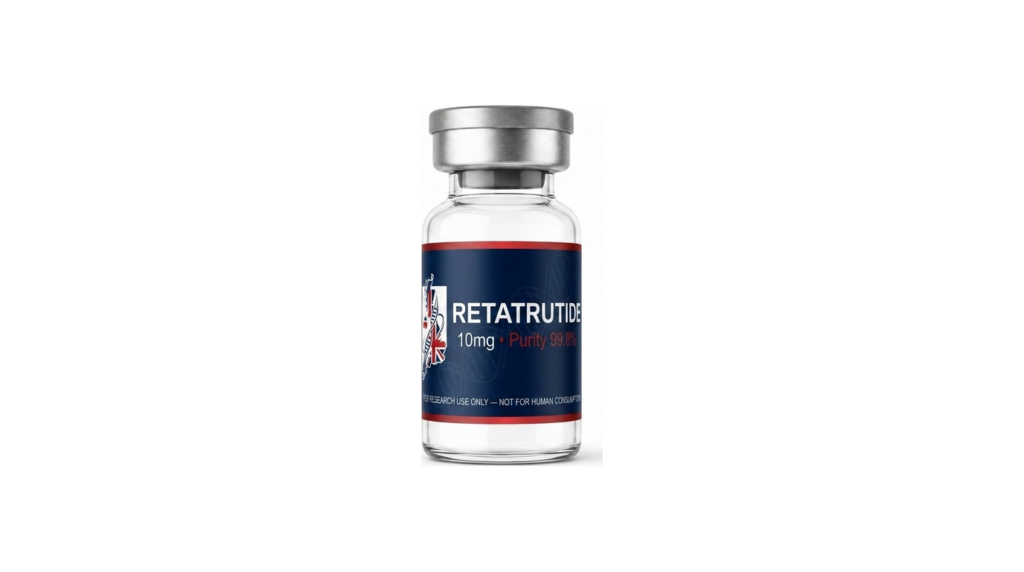
Retatrutide 10 mg
LY3437943 / GGG tri-agonist · 10 mgA triple-receptor research compound studied in metabolic and energy-balance models.
£159.99Add +
Explore Edinburgh Peptide’s UK research catalogue. Compare peptide formats and laboratory essentials, review compound information, and understand analytical documentation before choosing a material.
Compound details, familiar formats and clear GBP pricing.
Sample catalogue entries for the Edinburgh Peptide preview.
Best SellerA triple-receptor research compound studied in metabolic and energy-balance models.
 Best Seller
A pentadecapeptide investigated in preclinical tissue-signalling and repair models.
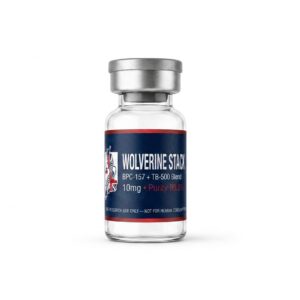 Blend
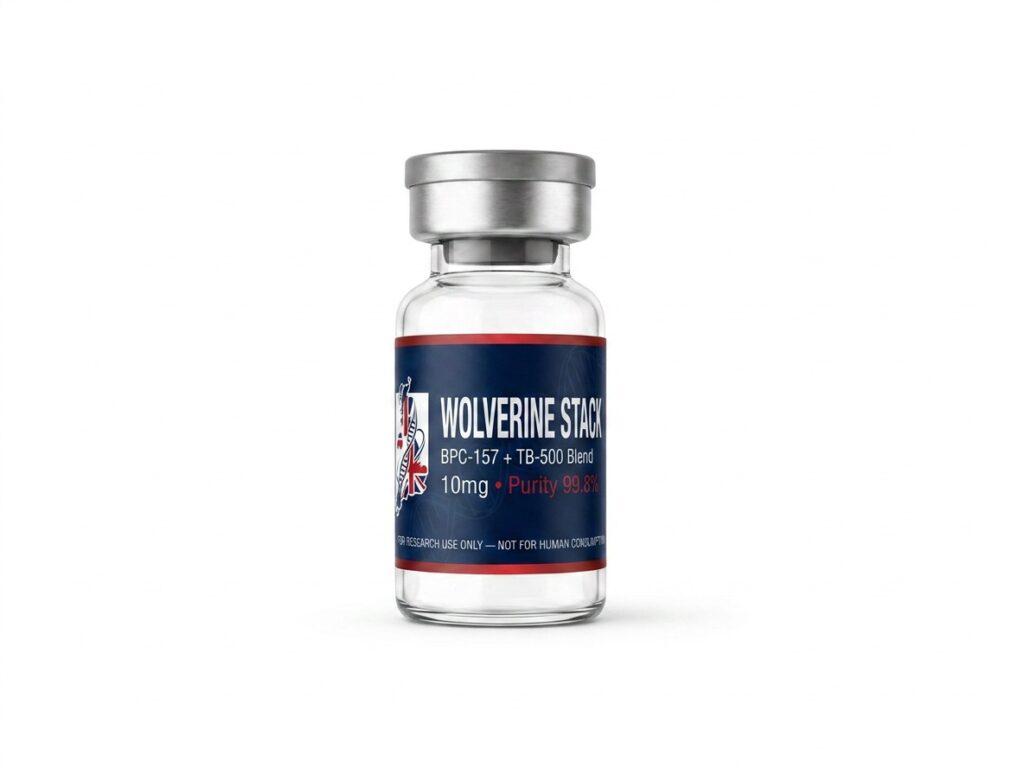
A combined BPC-157 and TB-500 format for laboratory research.
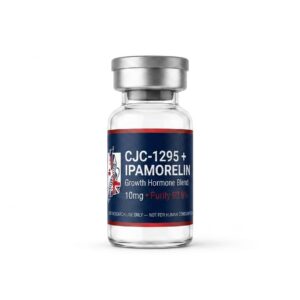 Blend
A combined GHRH analogue and secretagogue research format.
A product name is only the beginning. Understand identity, analytical methods and batch documentation before selecting a research material.
Explore quality & testing →Compare the chemical identity, format and intended laboratory research context.
HPLC purity and mass-spectrometry identity address different questions. Check the batch and methods.
Follow verified product-specific storage information and your laboratory’s procedures.
Explore the collection by research area.
Read beyond the product name. Make documentation and research limitations part of your selection.
Names, formats and terminology in the research catalogue.
Read the guide →Analytical testingWhat batch documents can establish, and which questions remain.
Explore testing →Before orderingCheck delivery terms and storage information before purchase.
Delivery information →Edinburgh Peptide brings UK research peptide catalogue information together with compound guides, analytical-document guidance and clear delivery charges. Start with the material your laboratory needs, then check its identity, format and supporting evidence.
Compare Retatrutide 10 mg, BPC-157 10 mg and the Wolverine Stack BPC-157 + TB-500 blend. The CJC-1295 + Ipamorelin blend sits alongside GHK-Cu copper peptide and MT2 Melanotan II in the catalogue.
Laboratory research also uses materials outside the peptide category. NAD+ 500 mg is a research coenzyme; Bacteriostatic Water 3 ml is listed under laboratory essentials. Confirm the exact composition and intended research context for every material.
The peptide quality and analytical testing guide explains chromatography, mass spectrometry and the importance of matching a certificate to a batch. Our research peptide guides introduce compound identity and research terminology. No catalogue name, photograph or research citation substitutes for batch-specific evidence.
Our UK delivery information sets out the £9.99 UK delivery charge and free delivery from a £200 goods subtotal before discounts. Courier and dispatch-time information must be confirmed separately.
Read the research peptide FAQ and research-use scope. Materials are presented for in-vitro laboratory research, not human or veterinary use.
Find compound-specific papers through the National Library of Medicine’s PubMed database, and consult NCBI PubChem chemical records when checking identity and terminology. The research library helps you distinguish a research finding from a product-quality claim.
The essentials, from product documentation to ordering and research use.
Read the full FAQ →The checkout form is enabled. Bitcoin payment availability depends on completing the provider connection; only payment methods shown at checkout can be used.
No. The catalogue is for in-vitro laboratory research. It is not intended for human or veterinary use.
Review the compound identity, documented quantity, analytical records and research-use scope. Product photographs and literature references do not certify an individual batch.
Match the compound, batch, analysis date and method. A purity percentage alone does not establish identity, sterility or suitability for human use.
Explore the catalogue. Understand the details.